
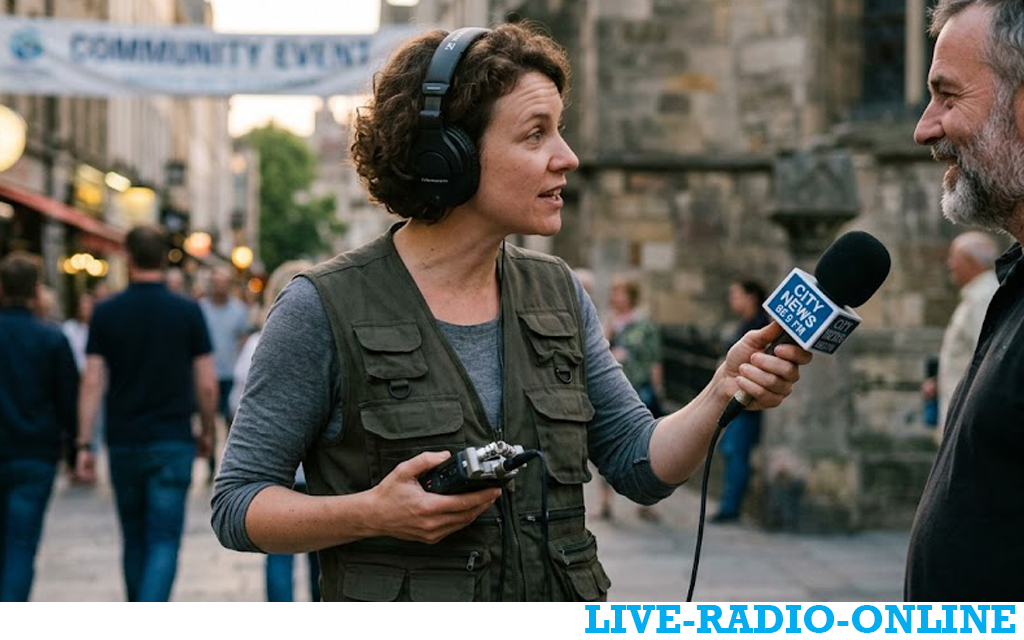
Becoming a good radio or news reporter requires a mix of technical skills, journalistic integrity, and on-air presence. Here are key tips broken down by area:
1. Master the Core Journalistic Fundamentals
-
Get the facts right, and fast: Accuracy is non-negotiable. In news, you often work on tight deadlines, but a correction erodes trust. Double-check names, dates, and spellings.
-
Find the story within the story: Don’t just report what happened—explain why it matters to your audience. Ask: “Who cares? Why should they?”
-
Develop sources: Build relationships with reliable contacts in different fields (police, city hall, education, business). A good source saves time and often gives you a scoop.
-
Think about libel and ethics: Understand defamation, privacy issues, and conflicts of interest. Avoid accepting gifts or payment from sources.
2. For Radio Reporting Specifically
-
Write for the ear, not the eye: Use short, conversational sentences. Read your copy aloud—if it sounds stilted or too complex, rewrite it. Avoid subordinate clauses and jargon.
-
Master your voice and pacing: Speak slightly slower than in normal conversation. Vary your pitch and tone to signal importance, but avoid monotony. Practice breathing from your diaphragm to sound authoritative without shouting.
-
Interview like a pro:
-
Prepare questions, but listen actively to follow up on surprising answers.
-
Ask open-ended questions (“Tell me about…” instead of “Did you…”).
-
Be comfortable with silence—sometimes the best soundbite comes after a pause.
-
-
Use natural sound (nat sound): Ambient audio (crowds, rain, a door closing) adds dimension. Learn to record cleanly and layer it beneath your narration.
-
Technical basics: Learn to operate mixing boards, set levels, and edit audio (using software like Audacity, Hindenburg, or Pro Tools). Always carry backup batteries and a wind screen for your mic.
3. For News Reporting (TV, Print, or Digital)
-
Be relentless but polite: Knock on doors, make calls, follow up on leads. Persistence gets stories, but aggression can burn bridges.
-
Develop a specialty: Local politics, education, health, or crime mastery makes you the go-to reporter. It also helps you spot trends before others.
-
Write tight and active: Lead with the most important fact. Use strong verbs (“the council cut funding” vs. “funding was cut by the council”).
-
Embrace digital skills: Learn to shoot and edit basic video, tweet in real time, and write for the web (headlines, SEO, hyperlinks).
4. On-Air Presence & Delivery (Radio & TV)
-
Sound genuine: Authenticity connects better than a “news voice.” Imagine you’re telling one friend a story.
-
Control your energy: For breaking news, urgency with control. For a feature, warmth and curiosity. Mark your script: underline words to stress, use slashes for pauses.
-
Punch up the intro and outro: The first and last 10 seconds are what listeners remember. Start with a hook, end with a clear takeaway or tease for what’s next.
-
Record and critique yourself: Listen to your own segments with a critical ear. Note fillers (“um,” “like”), pacing issues, or muddy pronunciations.
5. Practical Habits & Career Tips
-
Start small: Work at a college radio station, community news outlet, or as a stringer (freelance reporter for a local station). Breaking stories on a small scale builds a portfolio.
-
Build a demo reel: Compile your best 2–3 minutes of reporting (live shots, interviews, or packages). Keep it tight—no long silences or technical errors.
-
Be a news junkie: Read, watch, and listen constantly. Know what’s happening in your market, your country, and the world. Great reporters are insatiably curious.
-
Stay calm under pressure: Deadlines get missed, sources flake, producers yell. Breathe, focus on what you can control, and always have a backup plan (e.g., extra soundbites).
-
Embrace feedback: Editors and news directors will rewrite your work. Don’t take it personally—learn from each edit.
A Final Reality Check
The industry is demanding: low starting pay, odd hours (early mornings, late nights, holidays), and high stress. But if you love uncovering truth, serving your community, and telling stories that matter, it’s deeply rewarding. The best reporters are humble enough to listen, stubborn enough to ask again, and brave enough to speak truth to power.